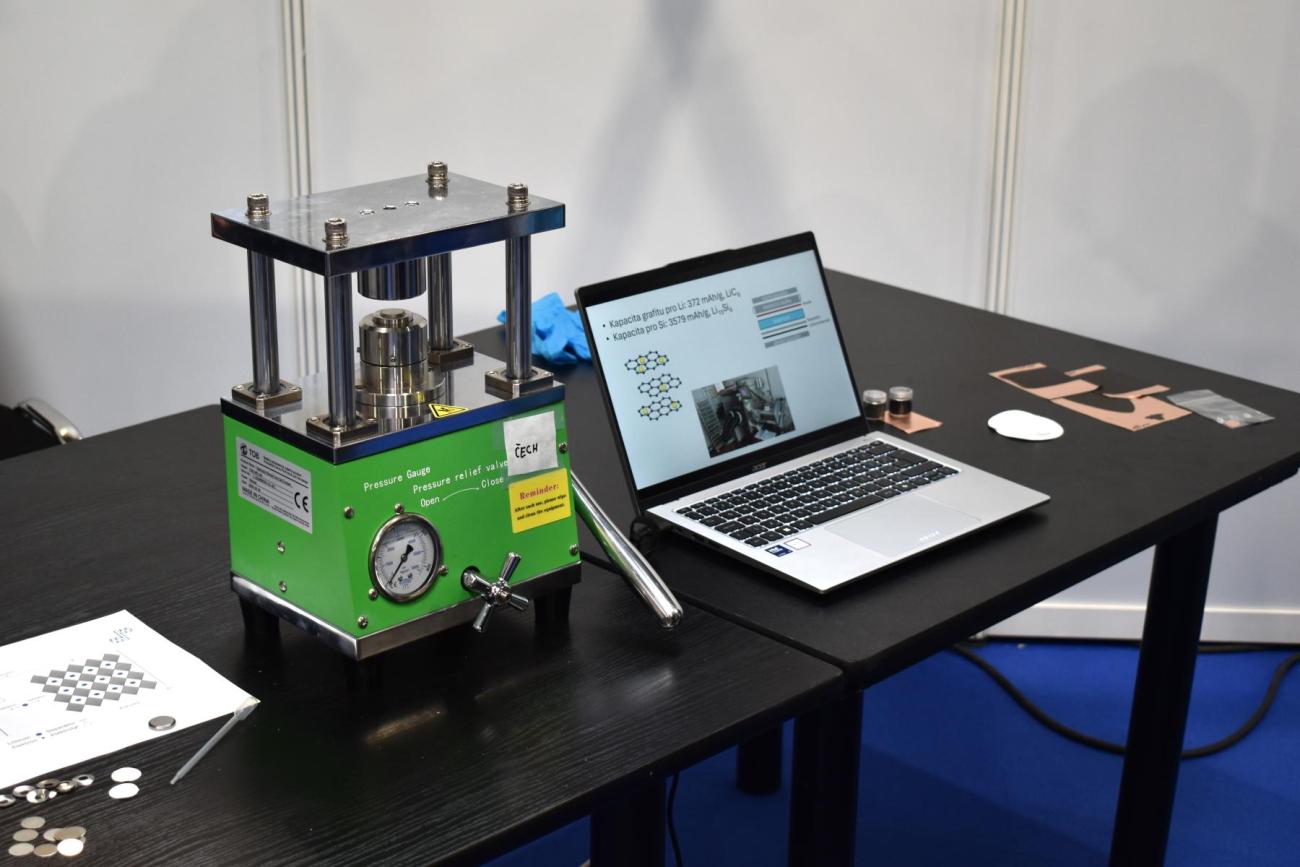


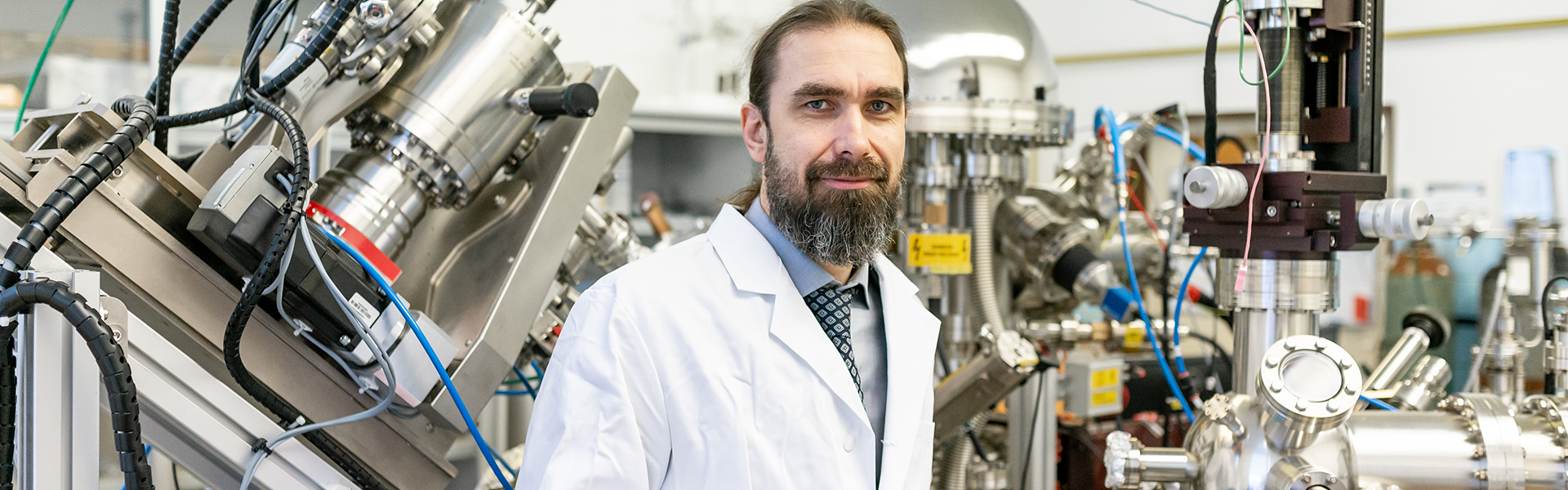
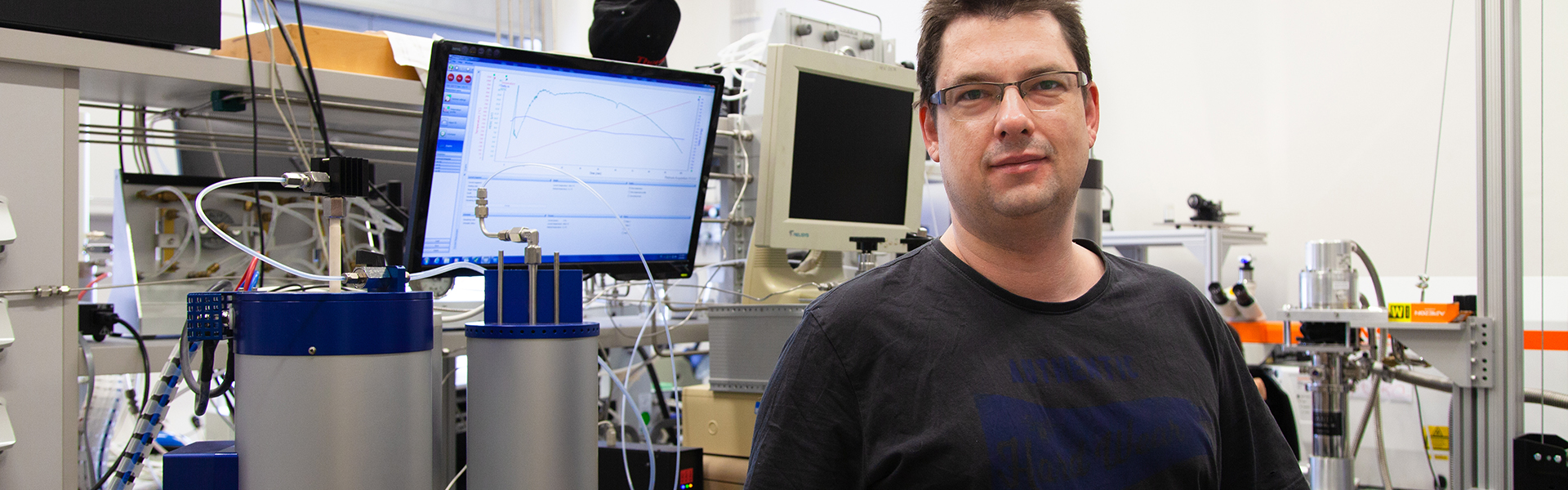
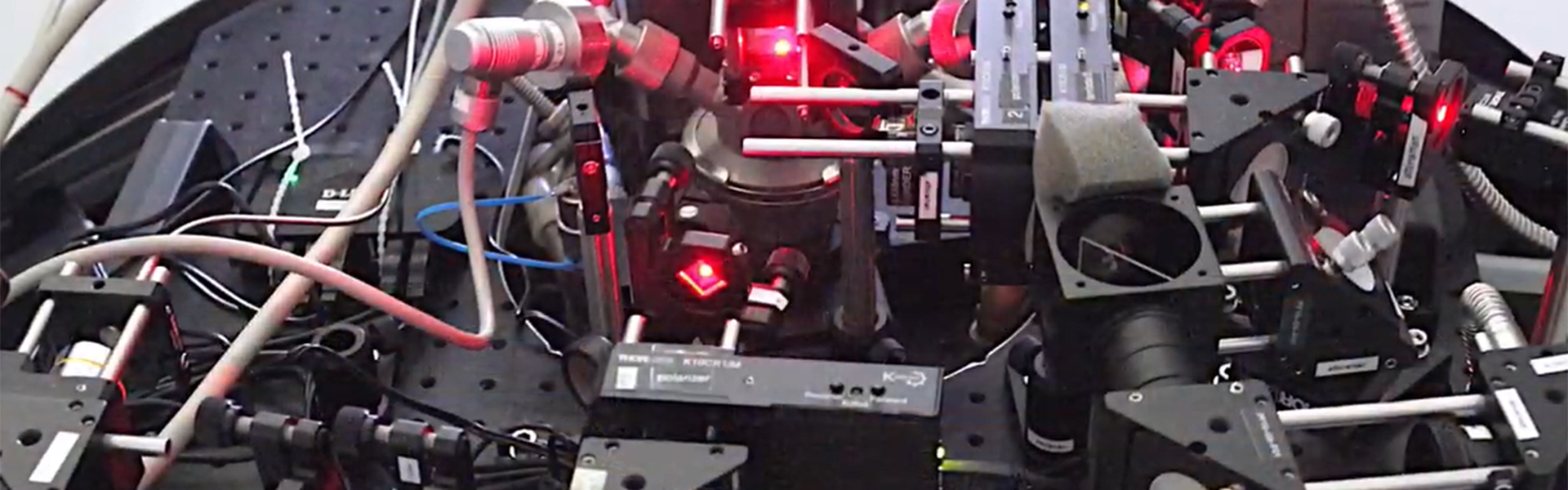
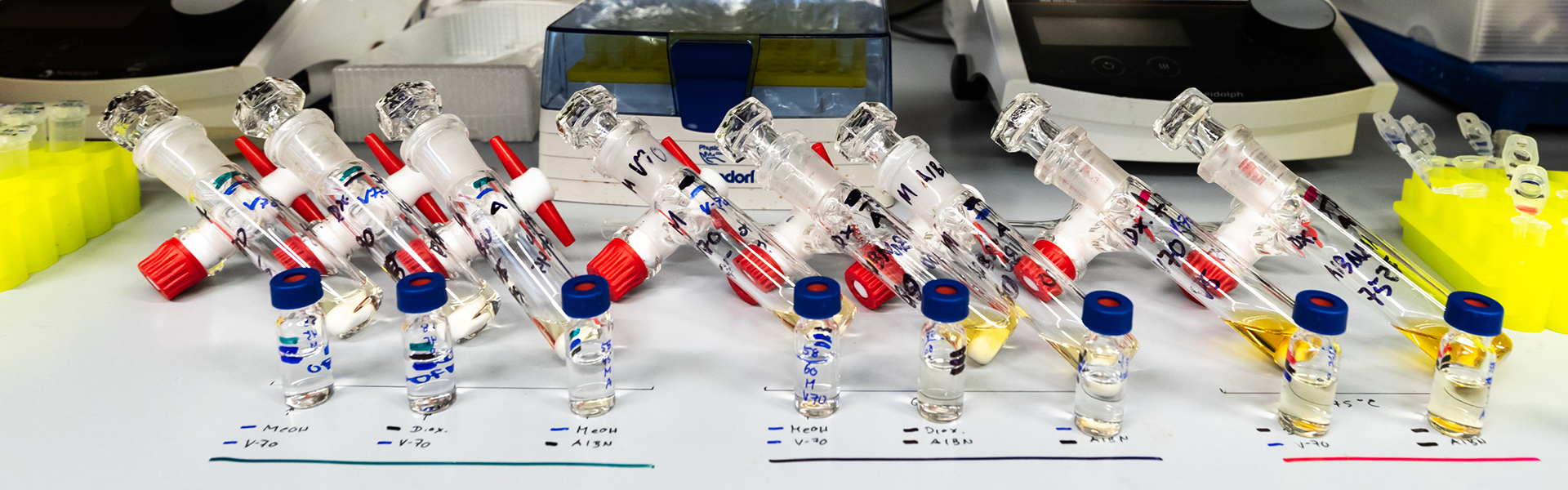

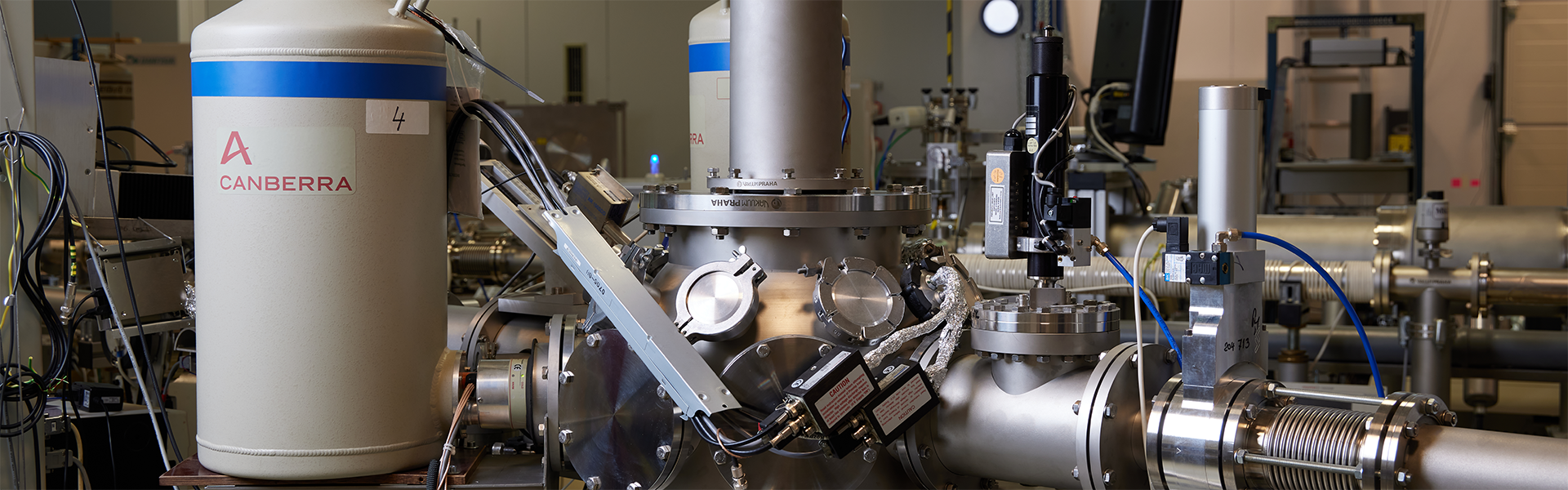
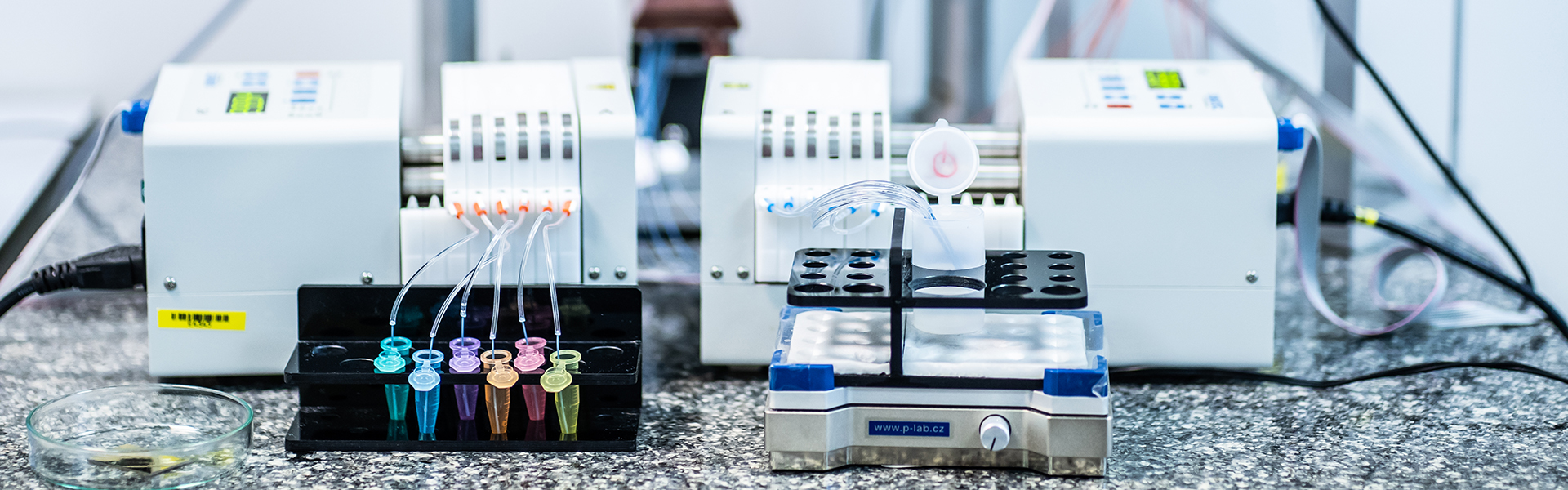
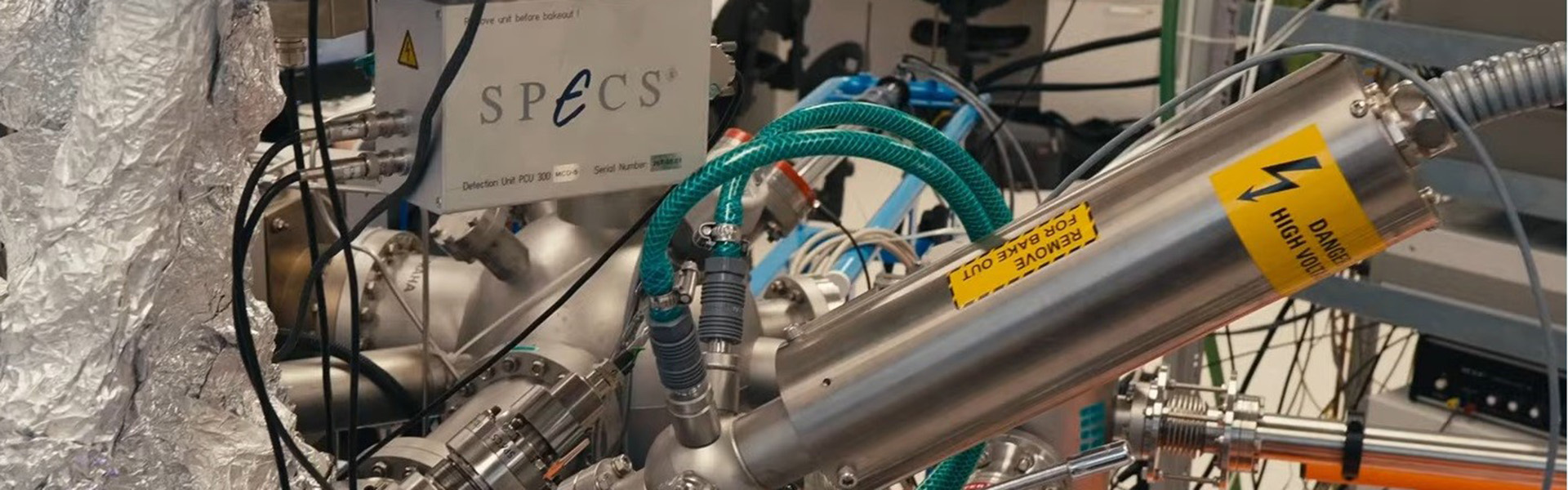
They introduced visitors to the world of nanotechnology and its applications in modern research. At the institute’s booth, they explained how nanomaterials are created, why their small size gives them specific properties, and where they can be useful in practice.
Today, nanoscience is one of the important fields pursued by many laboratories. Research teams design and prepare various types of nanomaterials for applications in areas such as chemical catalysis, energy, healthcare, and electronics. Visitors could learn how nanomaterials may contribute to the development of batteries and accumulators, sensors, nanosensors, transistors, and other electronic components.
The presentation also included examples of nanomaterials based on titanium dioxide and precious metals, which are used in environmental protection. These materials can help with air and water purification or with the protection of cultural heritage objects from damage. The researchers also presented carbon-based materials, including graphene, as well as other so-called 2D materials, which hold significant potential for modern electronics.