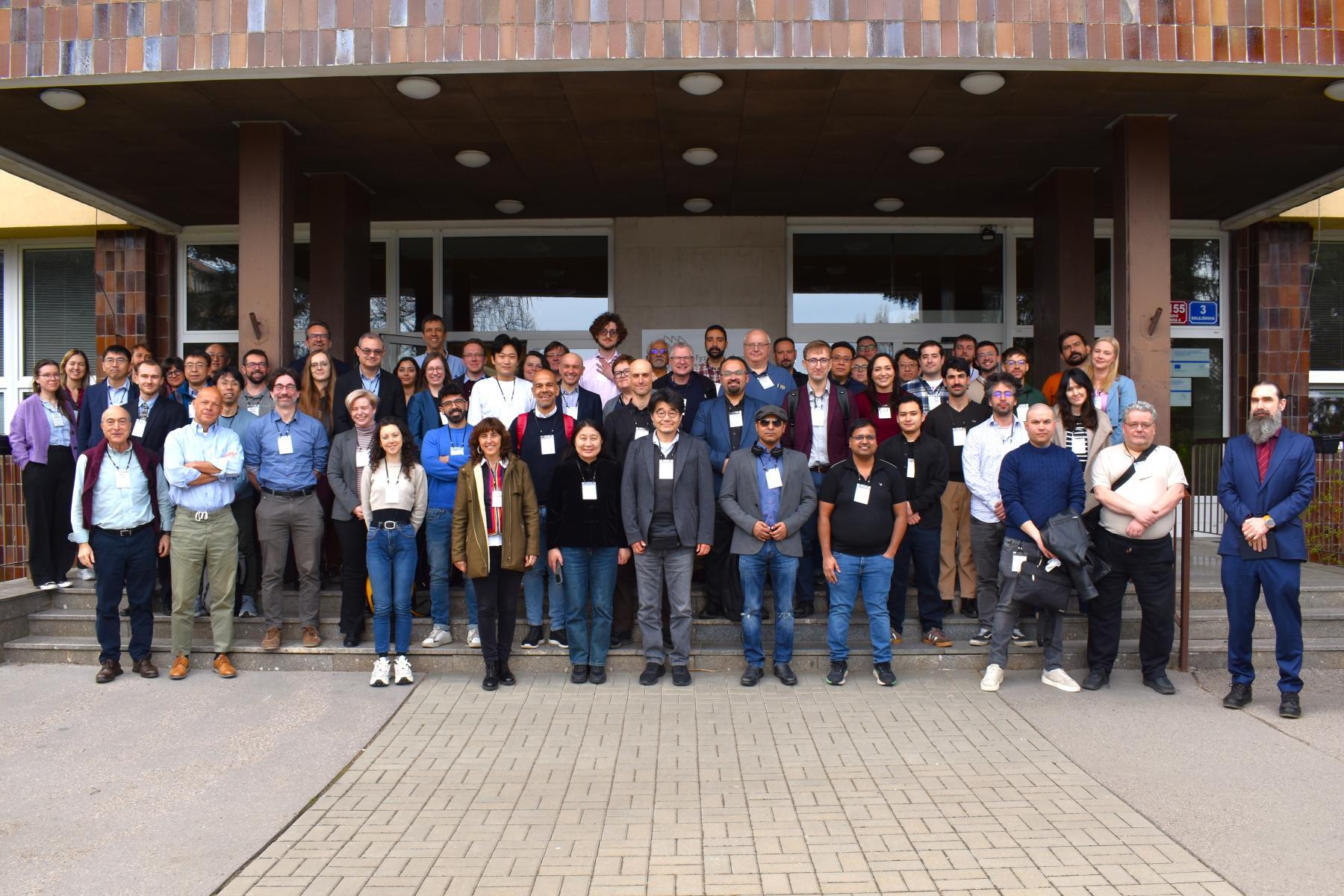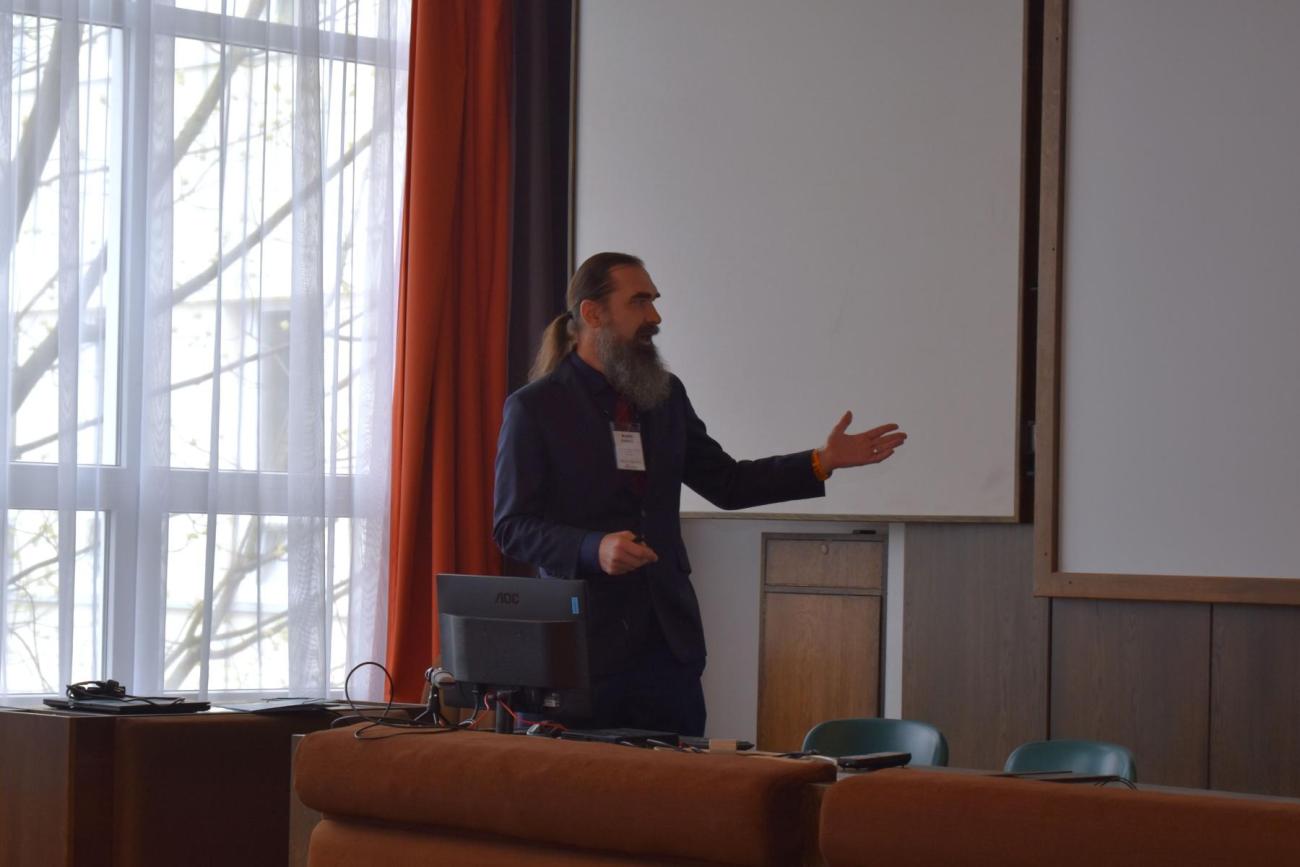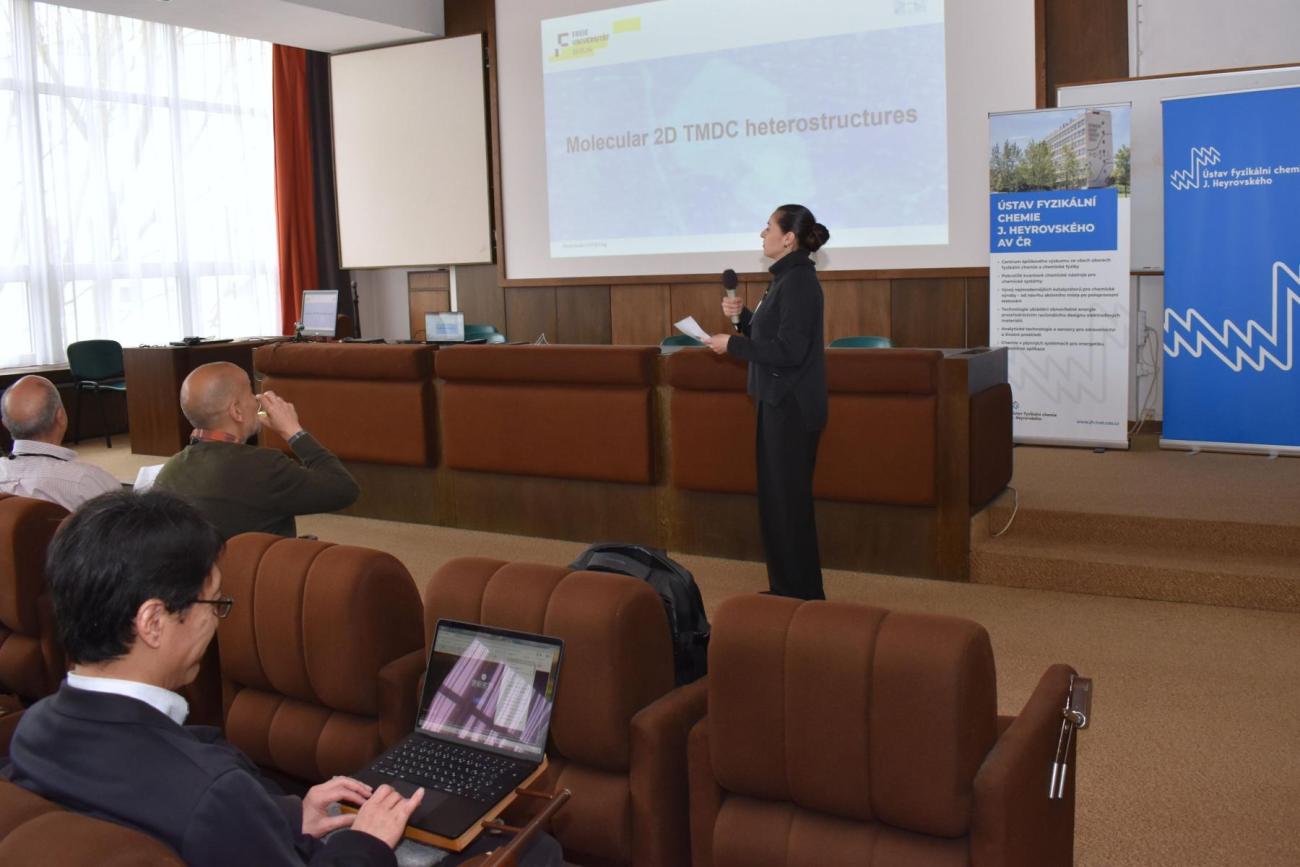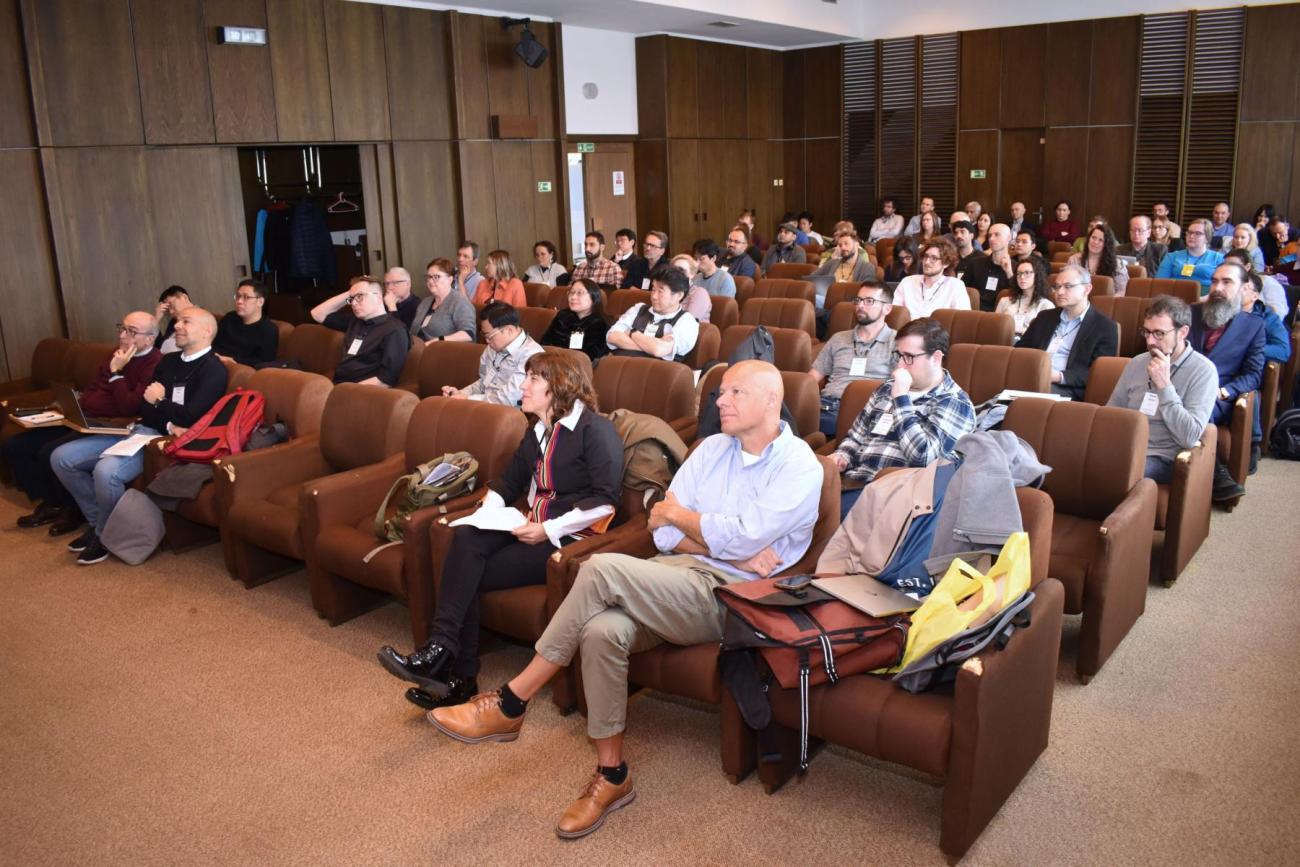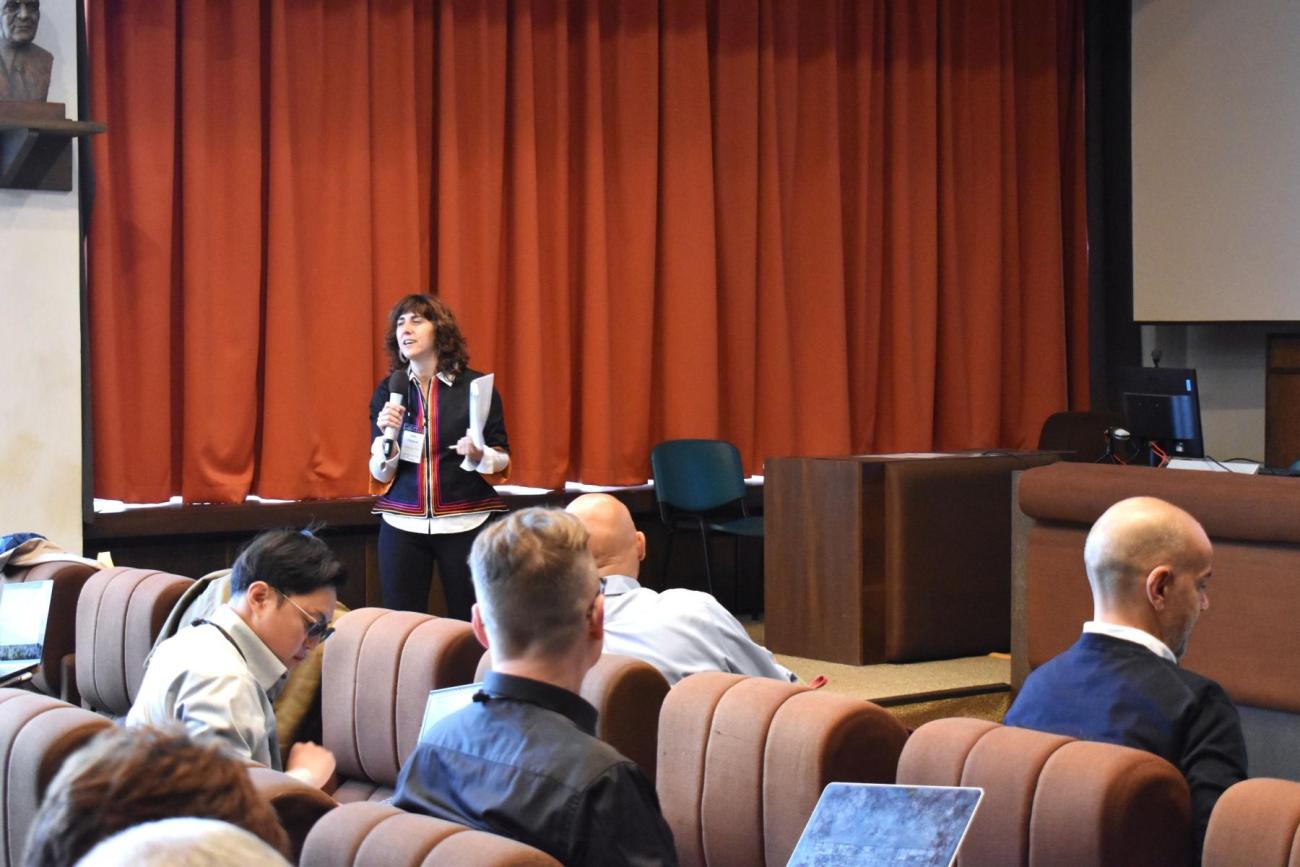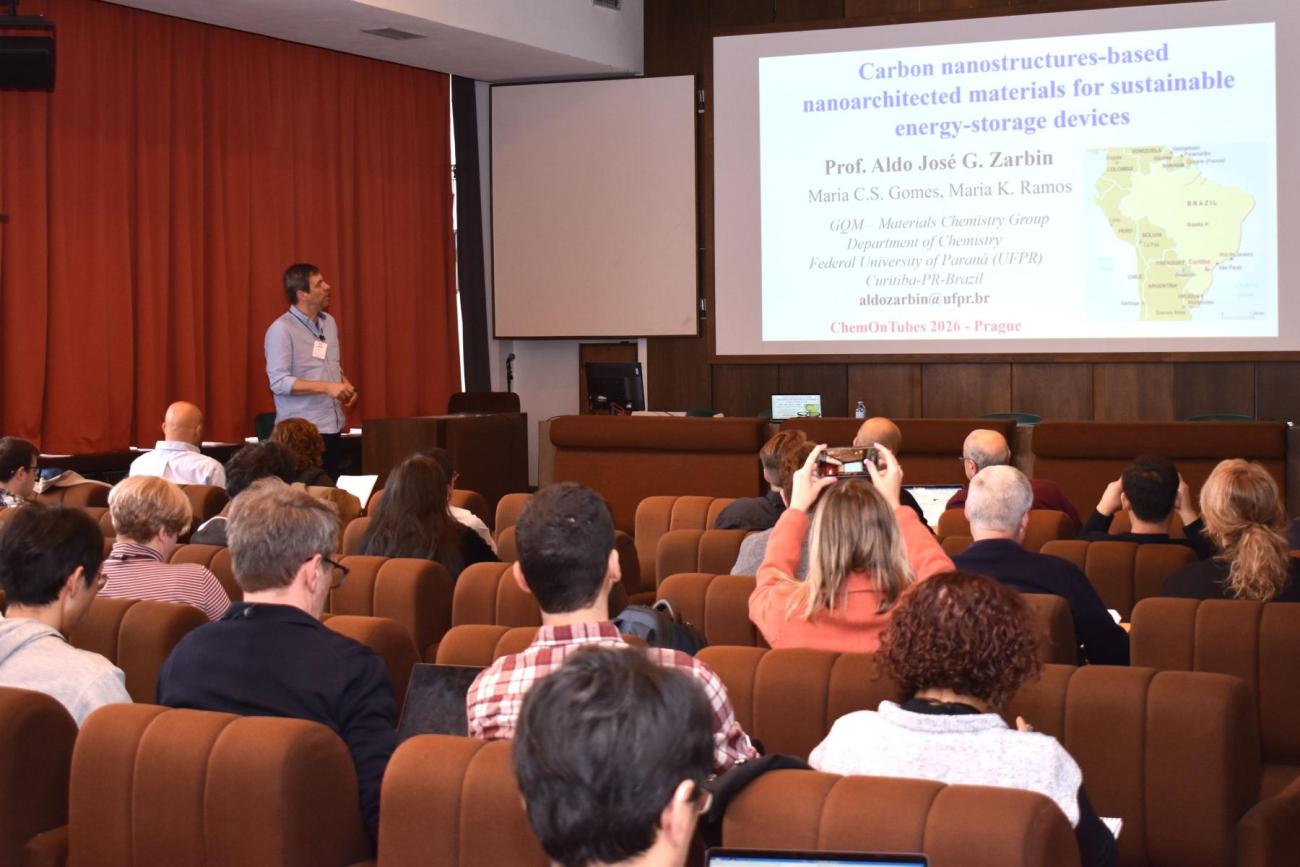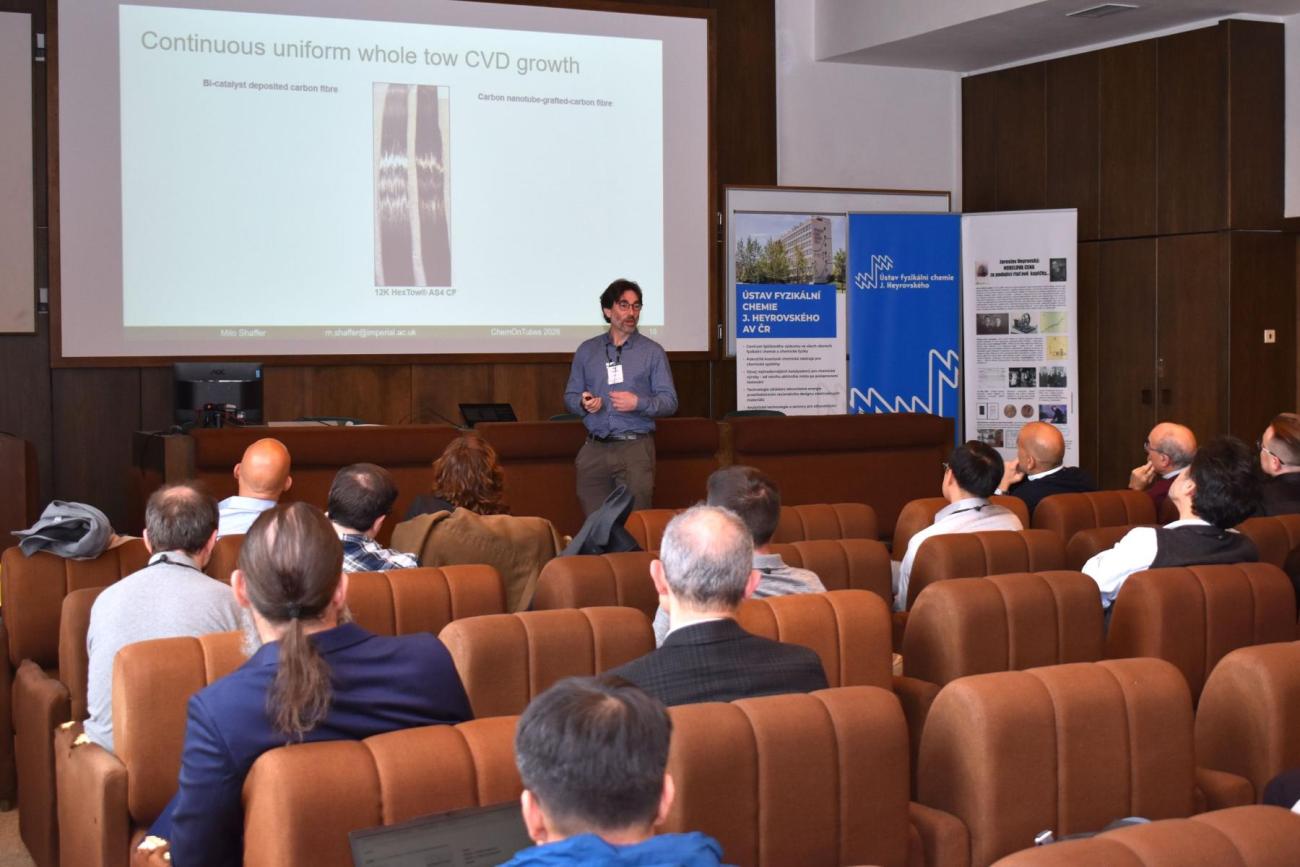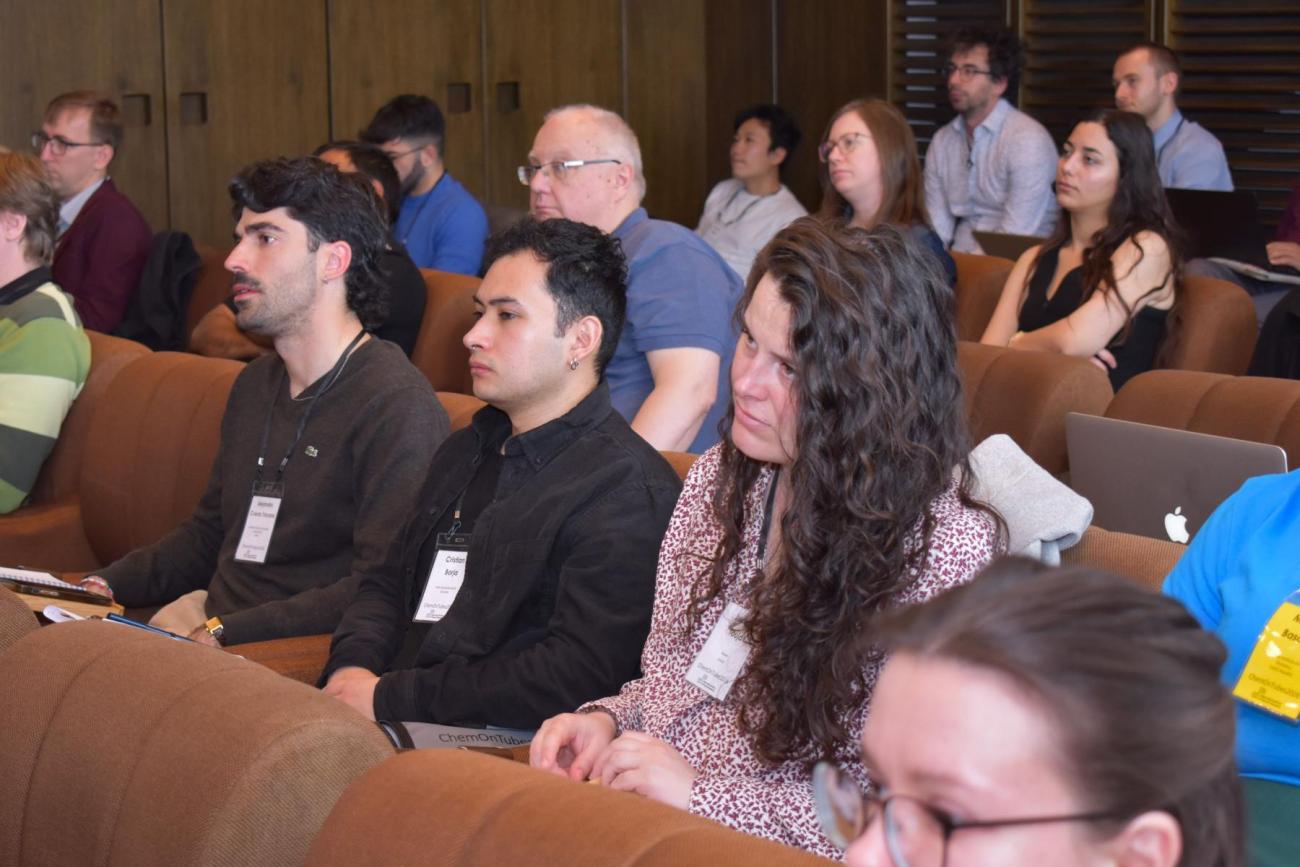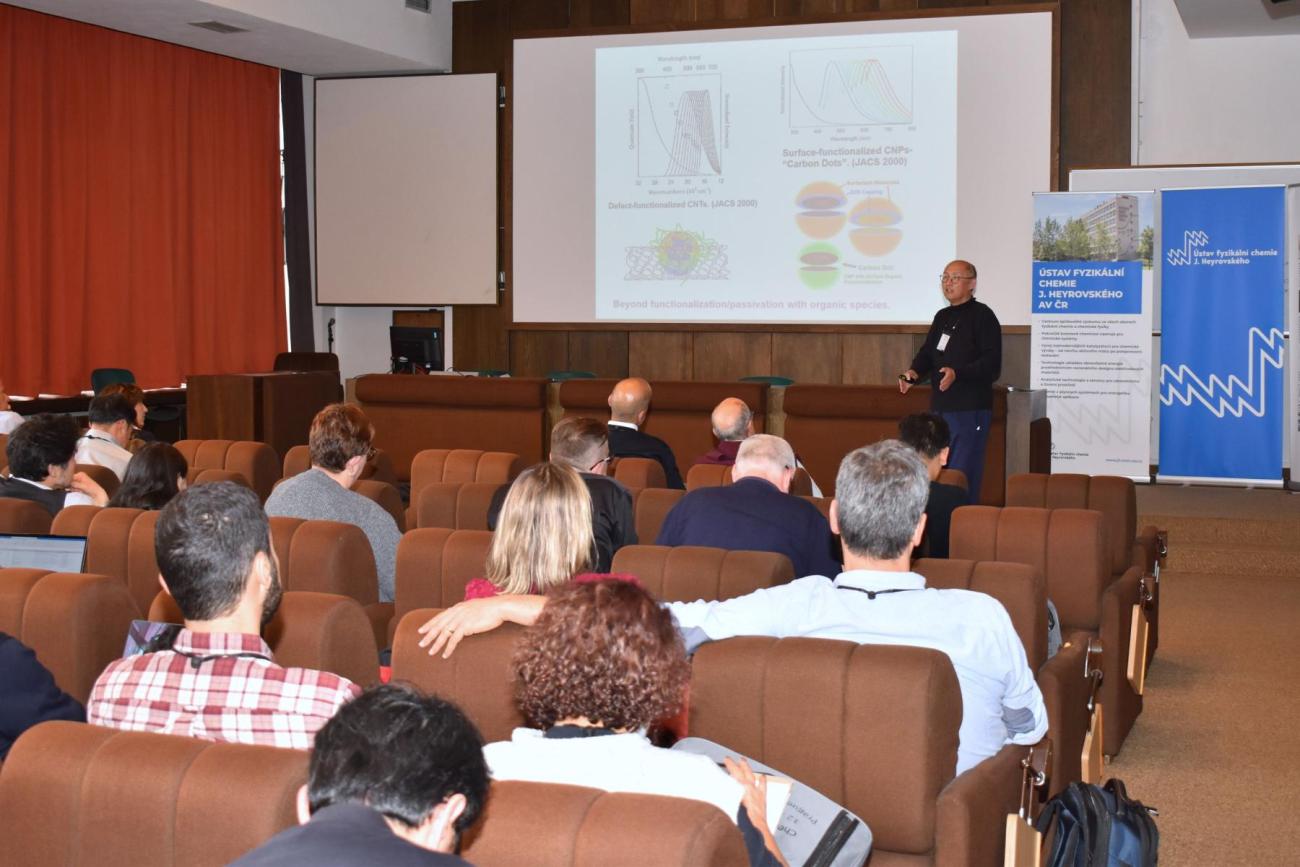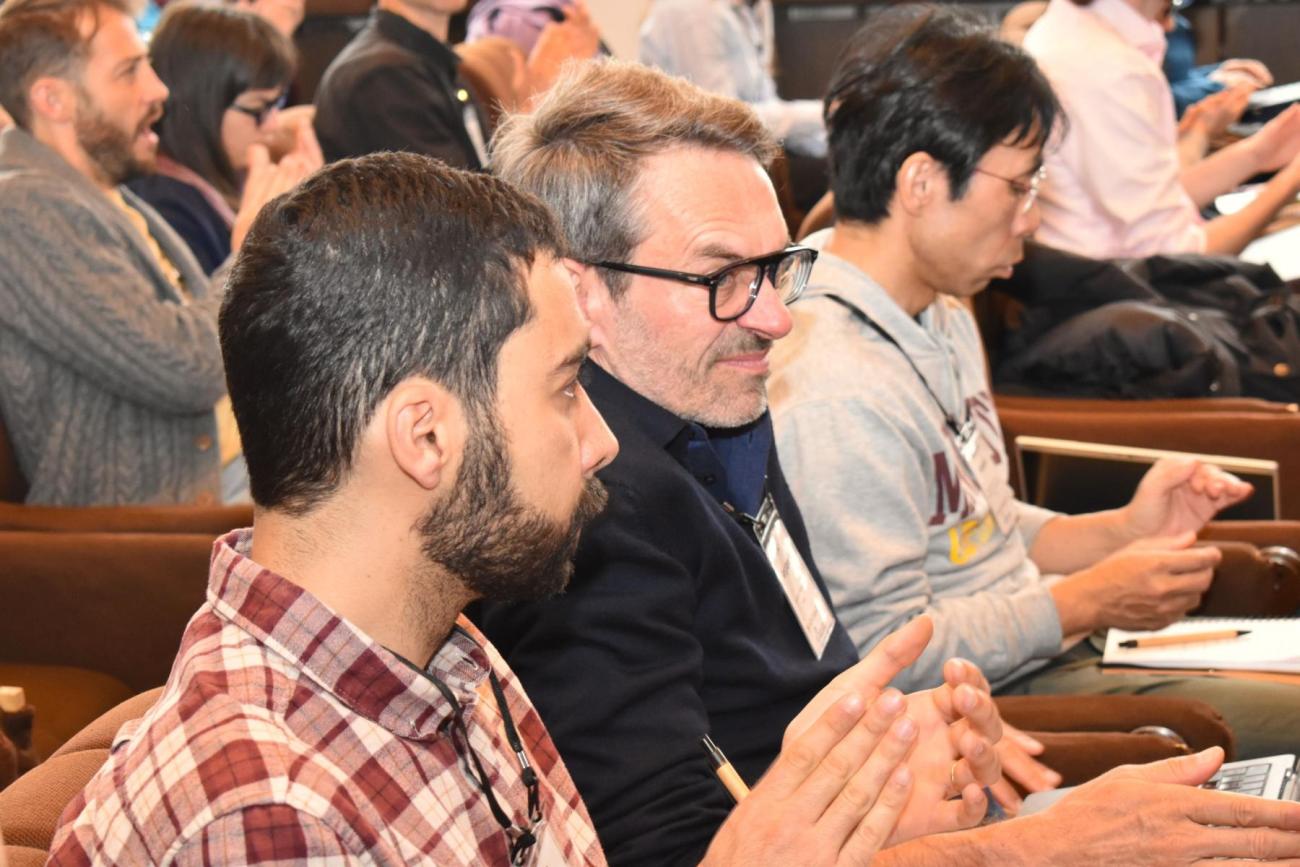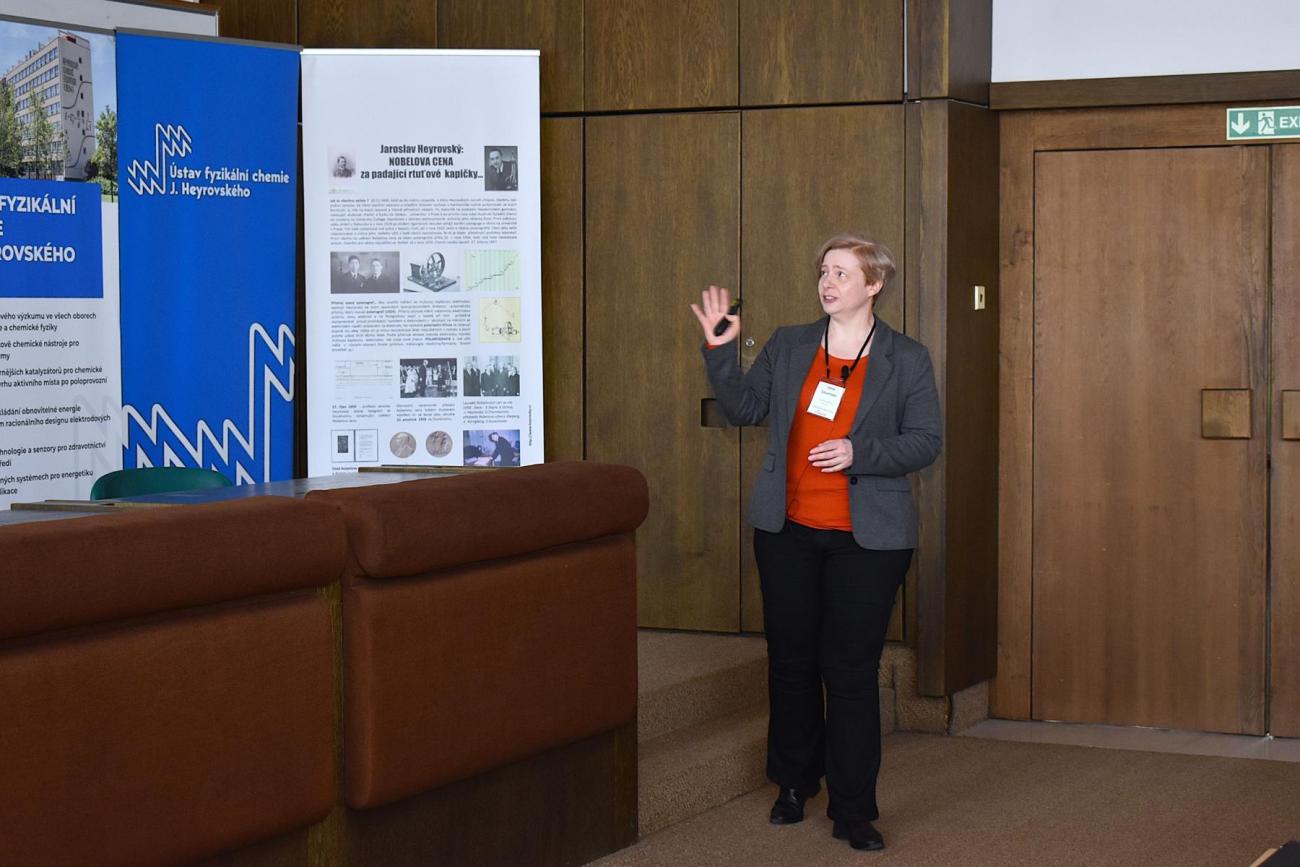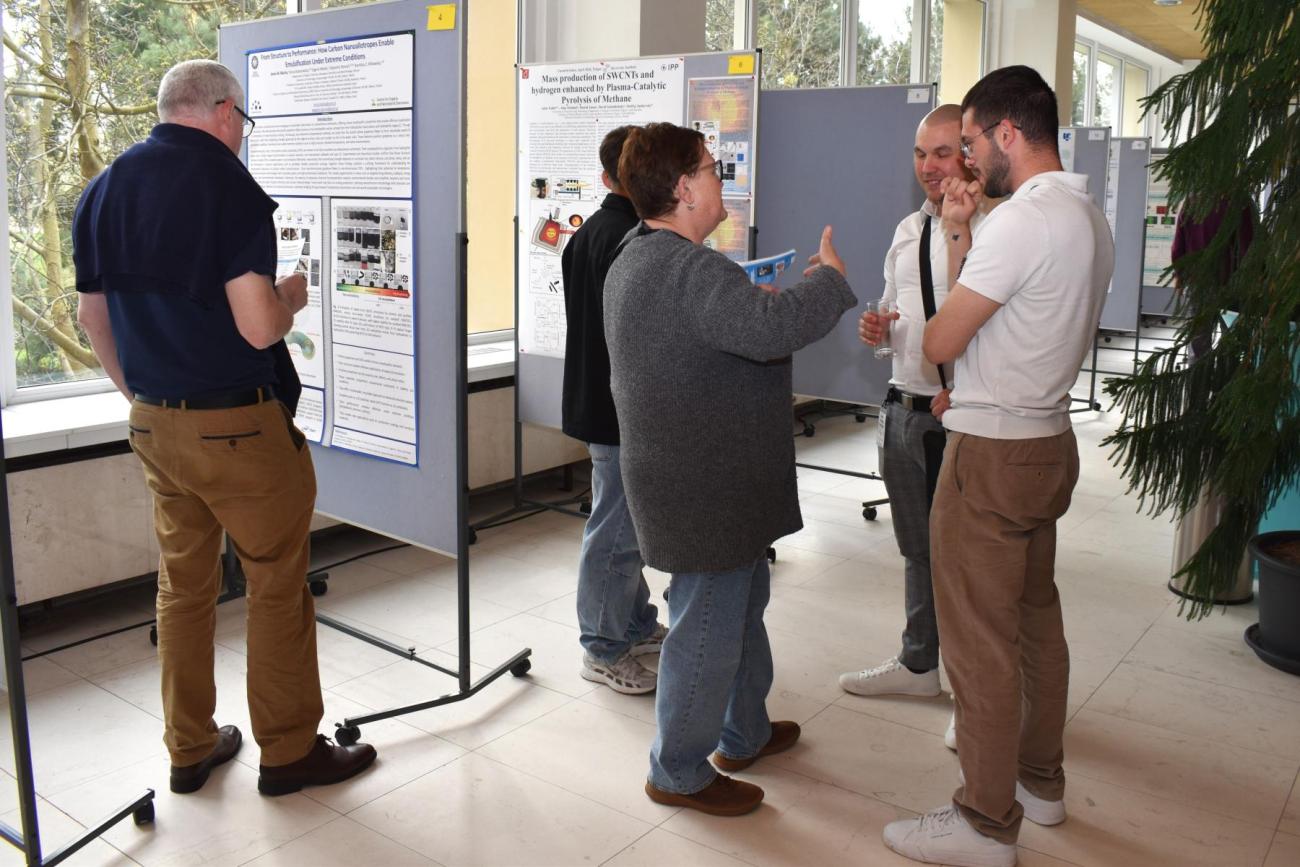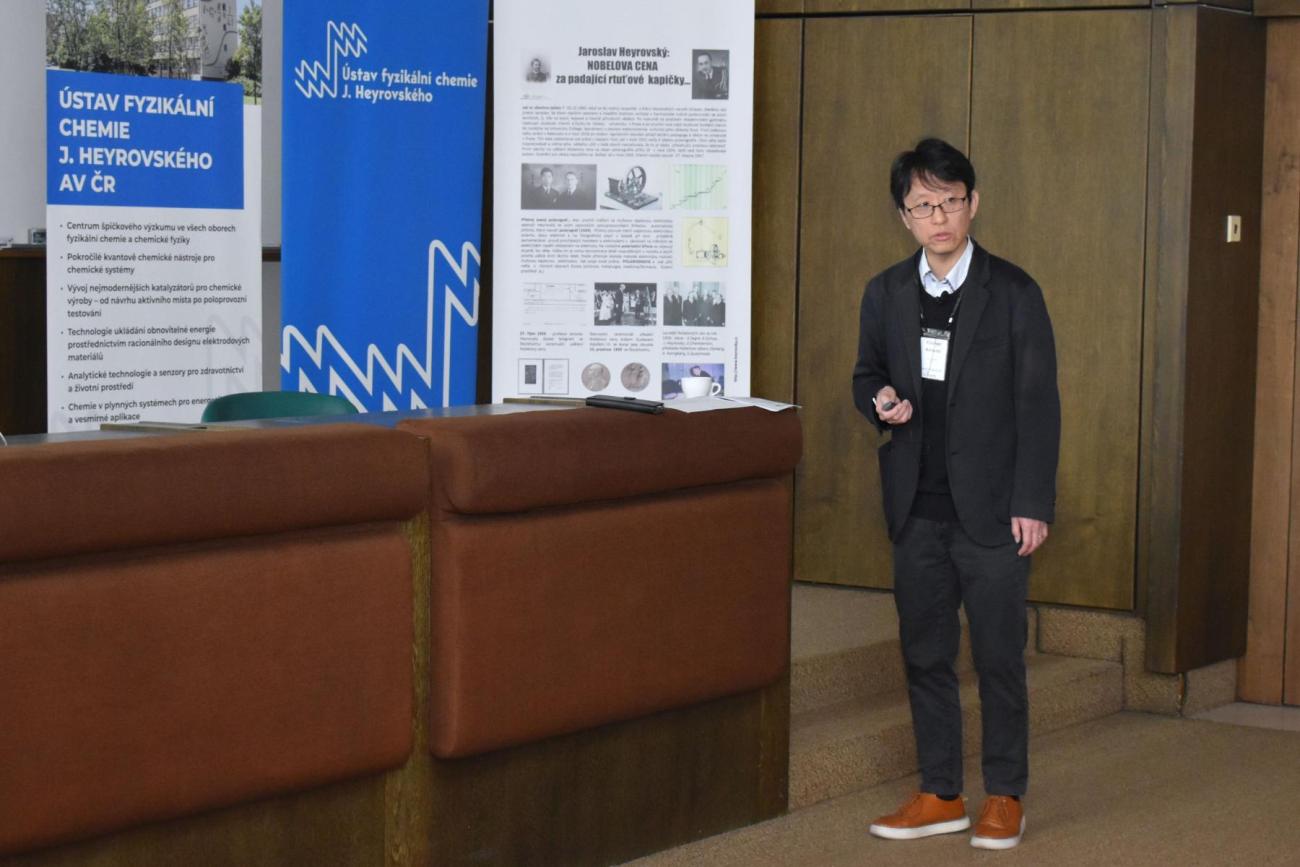



From April 12 to 16, 2026, the 8th edition of the international scientific conference ChemOnTubes 2026 took place at the J. Heyrovský Institute of Physical Chemistry of the Czech Academy of Sciences in Prague. The conference focused on chemistry, nanotechnology, and advanced materials research.
Held biennially and hosted at a different location each time, the event attracted more than 70 experts from academia and industry worldwide. Participants presented the latest research on nanomaterials—extremely small structures based on carbon nanotubes, graphene, and fullerenes. The discussions covered not only the development of these materials but also their practical applications, including improving battery performance, enabling more efficient energy production, and advancing modern technologies and biomedicine.
Among the keynote speakers were leading experts in nanomaterials and chemistry. Jana Zaumseil (Heidelberg University) focused on optical changes in carbon nanotubes and their applications in optoelectronics and sensing technologies. Dirk M. Guldi (Friedrich-Alexander-Universität Erlangen-Nürnberg) presented his work on controlling energy and charge transfer in molecules and nanomaterials, particularly in the context of solar energy systems. Emanuele Orgiu (Université du Québec) delivered an important contribution on functional materials and their use in electronics, demonstrating how the arrangement of molecules in thin, two-dimensional structures can control charge transport and magnetic properties, enabling new types of electronic components with improved or entirely new functionalities.
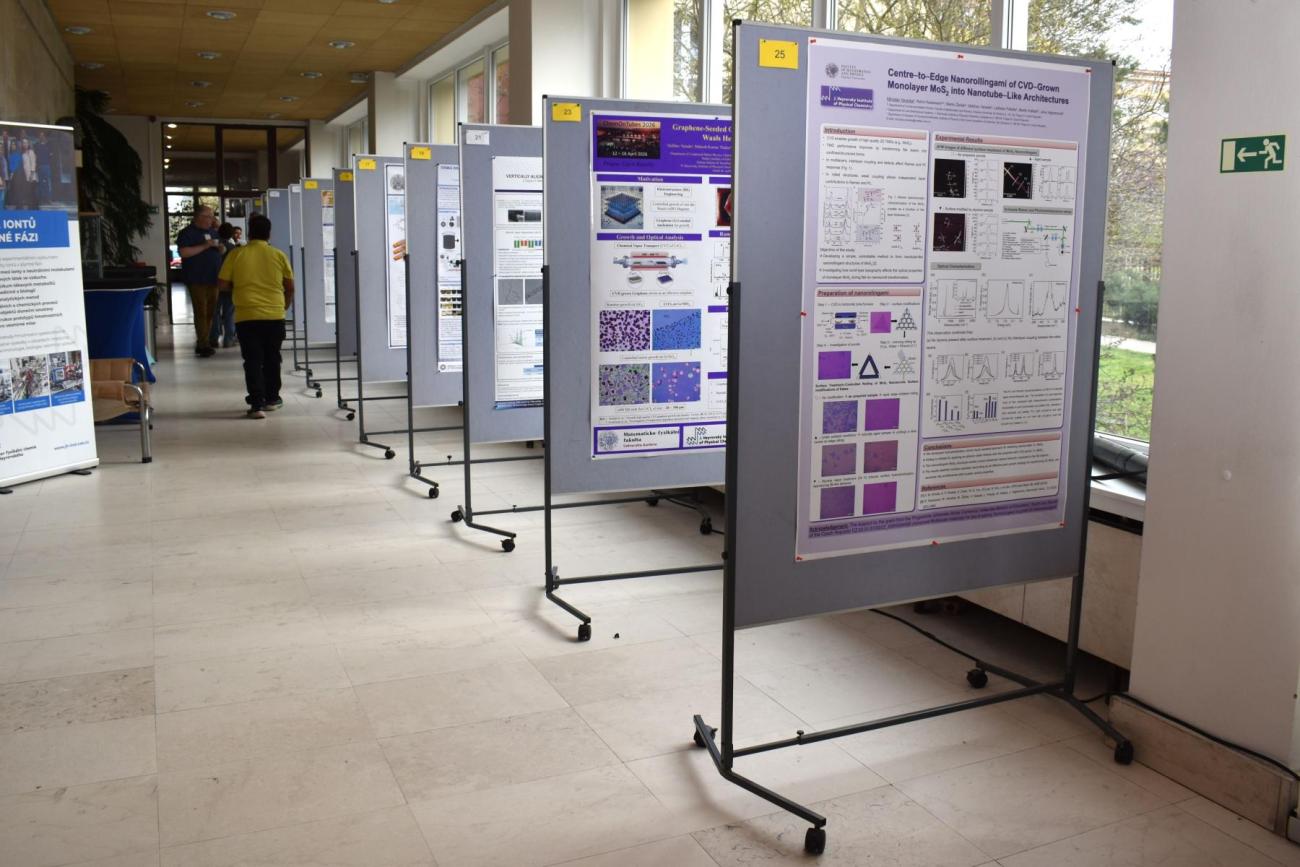
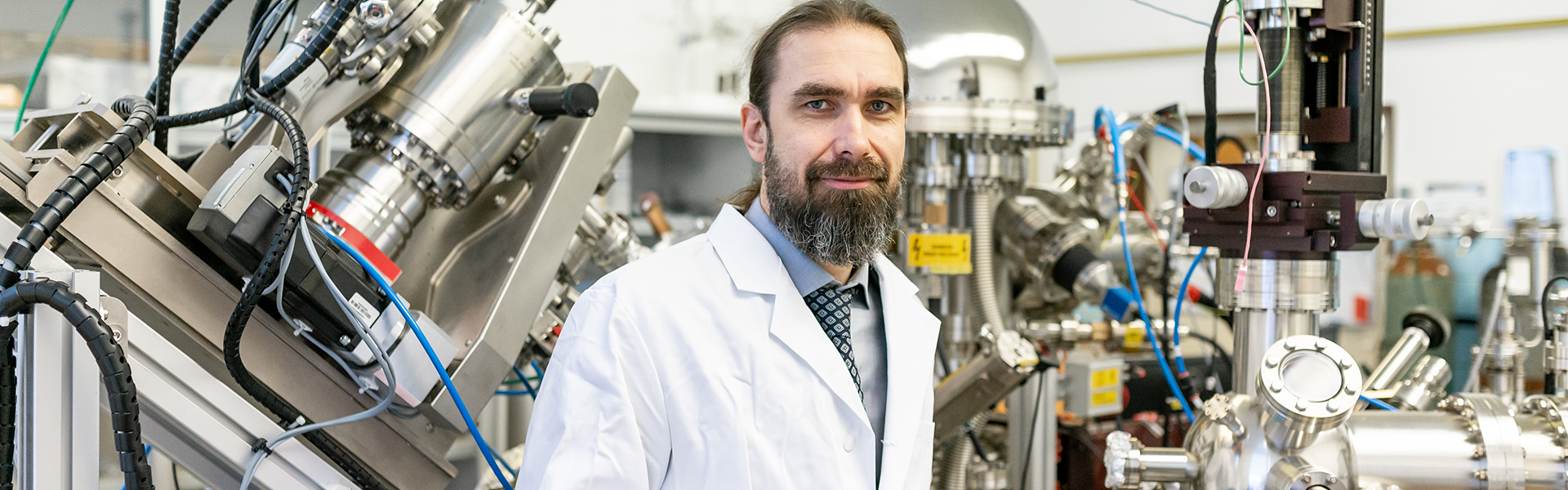
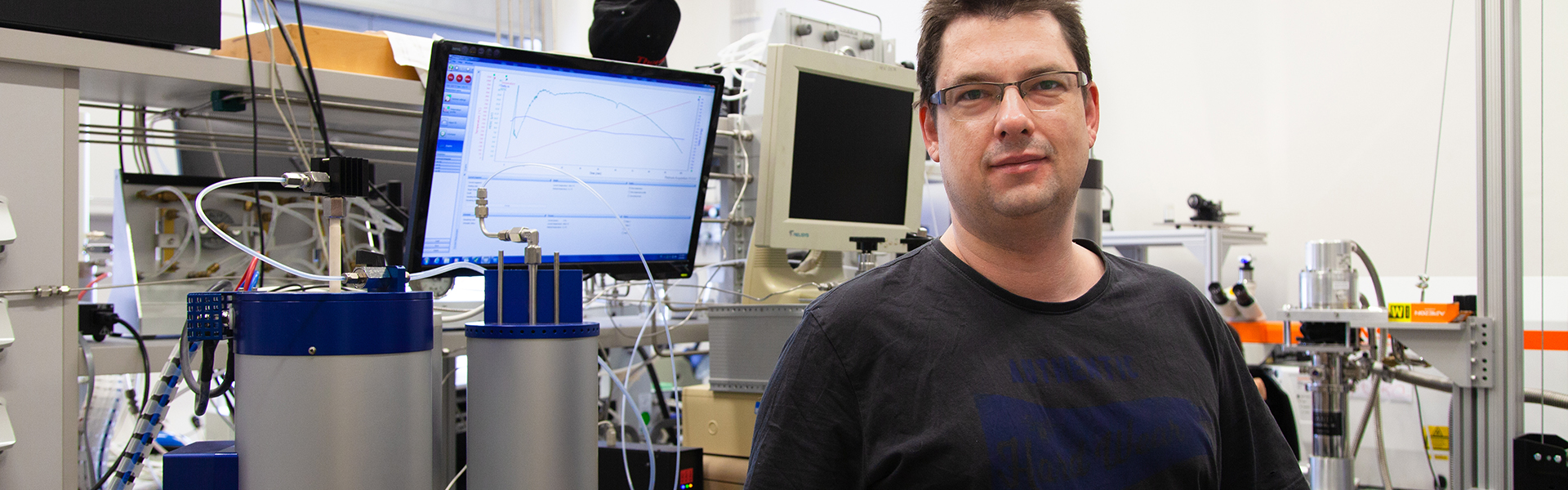
On behalf of the AMULET project, Martin Kalbáč, the main organiser of the event, and Jana Kalbáčová Vejpravová, who chaired two sessions, participated in the conference. They presented several poster contributions focused on advanced properties of two-dimensional materials. The presented topics included:
- Graphene-Seeded Growth of CrCl₃ van der Waals Heterostructures
- Supercooling of Water Confined in Graphene Nanowrinkles
- Centre-to-Edge Nanorollingami of CVD-Grown Monolayer MoS₂ into Nanotube-Like Architectures
These works were carried out in collaboration with international partners, highlighting the strong interdisciplinary and international nature of the AMULET project.
Additional talks were given by Kazunari Matsuda (Kyoto University), who focuses on the optical properties of atomically thin materials, and Bernhard C. Bayer (Technische Universität Wien), who addressed the optimization of surface strengthening processes. Martin Leon Nazario (IMDEA Nanoscience Institute), Patryk Kusch (Freie Universität Berlin), and Emilio Pérez (IMDEA Nanociencia, Madrid) presented advanced methods for tuning the properties and functionality of carbon-based nanomaterials.
“The ChemOnTubes 2026 conference demonstrated how dynamically the field of nanomaterials research is evolving and how essential international collaboration is for advancing this field, which holds enormous potential to transform many areas of our lives,” said the conference organizer, Martin Kalbáč.
The meeting provided a valuable platform for sharing knowledge, building new collaborations, and fostering future projects. The results presented at the conference may contribute to further innovation in energy and materials science.
The conference was supported by Metrohm and Specion, to whom the organizers extend their thanks for making the event possible.